Handmade Museum Quality Oil Painting Reproductions & Custom Portrait
Handmade Museum Quality Oil Painting Reproductions & Custom Portrait

When decorating a living room, one of the most impactful ways to set the mood and personalize the space is through artwork. An oil painting for living room walls can instantly elevate the room’s ambiance and serve as the focal point of your home decor. However, with so many styles, sizes, and colors to choose from, selecting the perfect piece can be overwhelming.
In this blog post, we will guide you step-by-step on how to choose wall art that complements your living room’s style, colors, and layout. Whether you're drawn to abstract art, classic portraits, or vibrant landscapes, this guide will help you navigate the world of oil paintings with ease.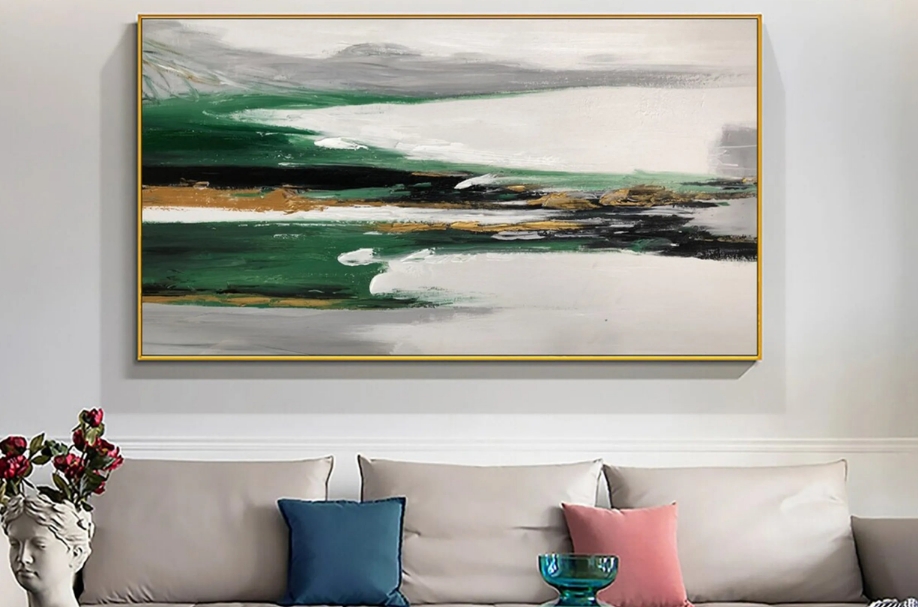
Before we dive into how to choose the right piece, it’s essential to acknowledge some common challenges people face when picking out oil paintings for their homes.
Art Too Small for the Wall: A common mistake is choosing artwork that’s too small for the wall space. An oversized canvas can create a dramatic effect, while a piece that's too small might seem lost on a large wall.
Clashing Colors: Sometimes, wall art may clash with your room’s existing color scheme. This can disrupt the harmony of the space and take away from the overall aesthetic.
Style Mismatch: The wrong style of painting may feel out of place in your living room. For instance, a contemporary abstract piece may not suit a vintage or classic-style living room.
By recognizing these challenges, you can take the necessary steps to avoid them, ensuring your chosen oil painting perfectly fits your space.
1. Measure Your Wall Space
The first step in choosing an oil painting for your living room is to measure your wall space. Large, open walls demand a bigger painting, while smaller walls might benefit from a more modest piece.
For Small Walls (under 4 feet wide): Choose art that is about 24-36 inches wide. A smaller canvas or a series of smaller framed pieces can also work well.
For Medium Walls (4-6 feet wide): A painting in the 36-60 inch range will look balanced. You can go for a single statement piece or a set of smaller works.
For Large Walls (over 6 feet wide): Oversized artwork, or a set of three or more paintings, will fill the space and provide a dramatic focal point.
Keep in mind that the general rule is to leave a 3-6 inch gap between the painting and the surrounding furniture or other wall features to avoid overcrowding the space.
2. Match Painting Style to Room Decor
Oil paintings come in a wide variety of styles, each lending its unique personality to the room. It's important to match the style of the painting with your living room’s overall decor theme. Here’s how to pick the right one:
Modern/Contemporary Decor: If you have a modern living room with clean lines and minimalist furniture, contemporary or abstract oil paintings will complement your space. Look for paintings that use bold colors, geometric shapes, or minimalist designs.
Classic/Traditional Decor: For a room with a more traditional, vintage, or classic design, opt for timeless oil paintings such as portraits, still life, or classical landscapes. Rich textures, muted colors, and intricate detailing are often a hallmark of this style.
Boho or Eclectic Rooms: If your living room features a mix of styles, such as a boho or eclectic look, consider adding oil paintings that embrace vibrant colors or exotic themes. Abstract art, bohemian landscapes, or folk-inspired portraits work well in these settings.
3. Consider Color Psychology and Your Room’s Color Scheme
The colors in the oil painting should work harmoniously with your room’s existing color scheme. Certain colors evoke specific emotions, and using the right shades can enhance the ambiance of your living room.
Blue and Green: These colors are known to have a calming and tranquil effect. Blue oil paintings work great in living rooms designed for relaxation, such as spaces where you unwind or meditate.
Red and Yellow: Bright, warm tones like red and yellow add energy and vibrancy to a room. If your living room is meant to be a lively and energetic space, choose artwork that incorporates these colors.
Neutral Tones: Black, white, beige, and grey are versatile options that can create a sophisticated, timeless look. These tones work well in both modern and classic interiors.
Complementary Colors: Consider choosing artwork with complementary colors (e.g., blue and orange, green and red) to create contrast and visual interest.
4. Budget Ranges: Finding the Right Painting for Your Budget
The cost of oil paintings can vary greatly depending on factors such as the artist's reputation, size, and the materials used. Here’s a breakdown of what to expect in different budget ranges:
$100-$500: For this price range, you can find smaller oil paintings or prints of famous artworks. These pieces can still bring charm to your living room, but they may lack the intricate details of larger pieces.
$500-$1,500: This range offers mid-sized paintings by emerging artists or reproductions of famous artworks. You can find well-crafted pieces that add value to your decor.
$1,500-$5,000: In this range, you’ll be able to acquire larger paintings by established artists, or high-quality, custom-made oil paintings. These are true investments that can enhance the value of your space.
$5,000 and Up: For top-tier oil paintings by renowned artists or original works, expect to pay upwards of $5,000. These paintings are significant investments, often suitable for collectors.
5. Authenticity Checks: Ensure You're Buying a Genuine Oil Painting
When investing in an oil painting for your living room, it’s important to verify its authenticity, especially if you're purchasing an original piece. Here’s how to do it:
Artist Signatures: Ensure that the artist has signed the piece. This is a key indicator of authenticity.
Gallery Labels: Check for labels or certificates of authenticity from reputable galleries or institutions. This provides provenance and ensures you're buying a legitimate work.
Consult with Experts: If in doubt, consider consulting art appraisers or experts to confirm the painting's authenticity before making a purchase.
6. Suggested Painting Styles for Your Living Room
Here are a few popular oil painting styles to consider, along with room placement suggestions:
Abstract Art: Ideal for modern or minimalist spaces, abstract paintings add visual intrigue and a contemporary feel. Display a large abstract piece above your sofa to make a bold statement.
Landscape Art: Perfect for nature lovers, landscape oil paintings bring the outdoors inside. A serene beach scene or a vibrant sunset will create a calming atmosphere, especially in a space designed for relaxation.
Portrait Art: For a classic touch, choose a portrait painting. Whether it’s a historical figure or a contemporary subject, portraits exude sophistication and timelessness. These works fit well in traditional or eclectic spaces.
Can I Hang Oil Paintings in Sunlight?
Oil paintings should not be exposed to direct sunlight for long periods. The UV rays can cause the pigments to fade over time, reducing the vibrancy of the artwork. To protect your investment, consider hanging your oil painting in a location that receives indirect light or use UV-protective glass when framing.
How Do I Clean My Oil Painting?
It’s essential to clean oil paintings carefully to avoid damaging them. Dust the surface gently with a soft, dry cloth. For more thorough cleaning, you can visit our How to Clean Oil Paintings guide for additional tips.
Looking to find the perfect oil painting for your living room? Book a free interior design consultation with one of our experts to explore our collection of premium oil paintings that perfectly suit your space.
Choosing the right oil painting for your living room can be a rewarding experience that enhances your home’s atmosphere. By following these steps—measuring your space, considering the painting style and color psychology, setting a realistic budget, and ensuring authenticity—you'll be on your way to creating a beautiful, personalized living area.
Happy decorating!


