Handmade Museum Quality Oil Painting Reproductions & Custom Portrait
Handmade Museum Quality Oil Painting Reproductions & Custom Portrait

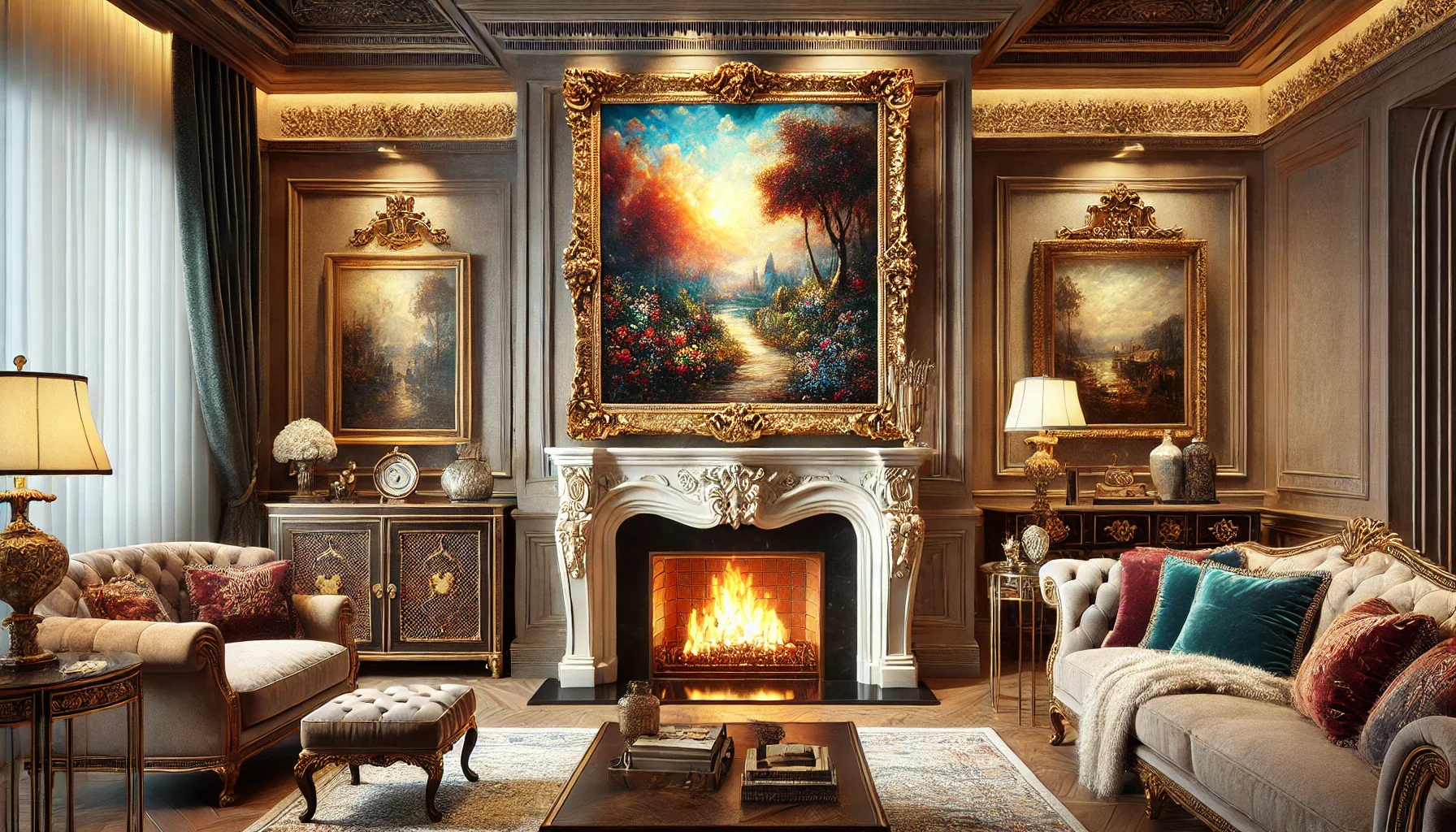
There exists a profound psychological connection between art and interior design—they jointly shape how individuals perceive and experience living spaces. According to a study published in the Journal of Environmental Psychology (Evans & McCoy, 1998), visual aesthetics directly influence emotional states, stress levels, and cognitive performance. When an artwork resonates emotionally, it significantly enhances the ambiance of a space and uplifts the mood of its inhabitants.
Unlike mass-produced prints, full-handcrafted oil paintings carry the brushstrokes, emotions, and intentions of the artist. Their textured layers, rich hues, and uniqueness render them more than just decor—they become vibrant, living presences.
Color is not merely a visual component—it is a psychological trigger. A 2013 study by Elliot and Maier published in Psychological Bulletin confirmed that certain colors elicit consistent emotional responses:
Warm tones like red and orange evoke energy and warmth.
Cool tones like blue and green promote calmness and concentration.
A full-handcrafted oil painting that strategically leverages color psychology can influence spatial ambiance. For example, a tranquil seascape in pastel blues for a bedroom can foster relaxation, while a vibrant orange abstract piece in the living room can inspire energy and sociability.
The Fogg Behavior Model, developed by Stanford researcher Dr. BJ Fogg, posits that behavior occurs when motivation, ability, and a trigger converge. In interior design, full-handcrafted oil paintings act as “triggers”—they anchor a space visually and subtly guide the emotions and behaviors of its occupants.
For instance, a hand-painted portrait above a fireplace may create a contemplative, conversational atmosphere that encourages people to linger and interact. Similarly, an abstract piece in an office with energizing colors might boost focus and productivity. These visual cues silently influence daily behavioral patterns.
Recommended Artwork: Black-and-white or neutral-tone abstract paintings with visible brush texture.
Visual Impact: Adds depth and a visual focal point without disrupting clean lines and negative space.
Recommended Artwork: Renaissance or Baroque reproduction paintings framed in gilded, ornate frames.
Visual Impact: Emphasizes elegance and historical richness, enhancing depth and taste.
Recommended Artwork: Nature-themed or soft-hued serene landscapes.
Visual Impact: Aligns with the "hygge" philosophy, offering warmth and emotional comfort.
Recommended Artwork: Expressive folk motifs or vividly colored figurative paintings.
Visual Impact: Reflects personal storytelling, adding artistic freedom and character.
Recommended Artwork: Large-scale abstract works with bold textures and metallic tones.
Visual Impact: Contrasts raw materials like concrete and steel with warmth and creativity.
Before: The living room featured neutral tones with modern furniture and blank walls, resulting in a sterile, emotionally flat ambiance.
After: A full-handcrafted oil painting of a golden-hour city skyline was mounted above the sofa. Its rich textures and warm colors immediately enlivened the space. Visitors noted the emotional depth and visual anchor the artwork provided. The homeowner reported longer conversations and a more relaxed, inviting atmosphere.
A 2020 report by the American Institute of Designers (AID) highlighted that original artworks evoke stronger emotional responses than digital reproductions.
Reasons include:
Authenticity: Each brushstroke reflects the artist’s emotion and personality.
Tactility: The 3D texture provides a multisensory experience.
Emotional Bonding: Knowing the story behind the painting enhances its sentimental and commemorative value.
A: Measure your wall and apply the “two-thirds rule”—the painting’s width should be about two-thirds of the furniture below it. For large wall areas, consider oversized pieces or a triptych arrangement.
A: Living rooms and entryways make strong first impressions and are great for showcasing focal artworks. Bedrooms, studies, and even kitchens can benefit from them depending on the desired ambiance.
A: Ideally, the center of the artwork should be 57–60 inches from the floor, aligning with average eye level. For gallery walls or multi-piece arrangements, maintain consistent spacing and alignment.
Understanding the emotional and aesthetic impact of full-handcrafted oil paintings helps homeowners transform functional living spaces into art-inspired sanctuaries. Whether merging classical techniques with modern design or selecting works that evoke calm or creativity, every handcrafted painting enriches both lifestyle and artistic expression.


